EU agrees revised Russia oil price cap as part of 18th sanctions package
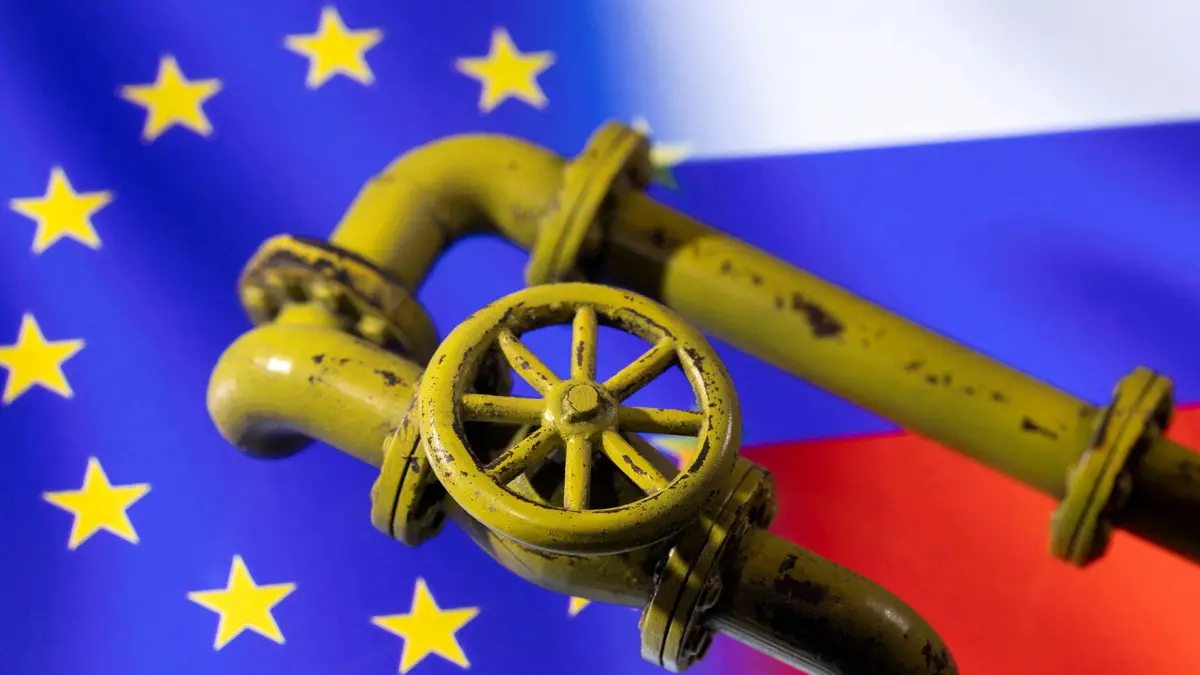
The breakthrough came after Slovakia lifted its weeks-long veto last night, paving the way for the bloc’s newest package of economic punishment aimed at Russia
EU member states on Friday agreed to impose a new round of sanctions against Russia, which will now include a significantly lowered Russian oil price cap and a range of new financial and trade measures.
The breakthrough came after Slovakia, in an eleventh-hour move, lifted its weeks-long veto against the approval of the 18th package of sanctions on Russia after its 2022 invasion of Ukraine.
Bratislava and its Russia-friendly Prime Minister Robert Fico had used its veto power to pressure the European Commission to relent on a proposed phase-out of all Russian fossil fuels by late 2027, which it argued would endanger domestic energy security.
A key element of the package, greenlighted by EU ambassadors on Friday, is a new dynamic oil price cap mechanism, which would set the price on Russian oil exported to third countries to 15% lower than the average market price of Russian crude oil.
This means, the price will now be lowered from $60 to approximately $47.60 per barrel, and is subject to a review every six months to adapt to market price changes, according to diplomatic sources.
The G7 price cap was originally agreed in December 2022 by the G7 countries and aims to prevent Russia from financing the war in Ukraine.
EU officials said they hoped to get the rest of the G7 countries – Canada, Japan, the United Kingdom, and the United States – on board. So far, the Trump administration has not supported the price revision. The previous Biden administration had been a key driver of the overall cap idea.
Brussels still hopes to get other partners on board but was said that even without others, the price cap review significantly impacts Russia's war chest.
Targeting Russia's 'shadow fleet', banks, dual-use tech
The new package adds 105 new listings of so-called Russian “shadow fleet” vessels, which Moscow has used to bypass the price cap. Now, the number of banned vessels stands at over 400.
It further introduces a ban on transactions with 22 Russian banks. The 18th round of sanctions also includes a new transaction ban relating to the gas pipelines Nord Stream 1 and 2 – which have not been operational since 2022 – to prevent the maintenance, operation or any future use of those pipelines.
The new sanctions further restrict Moscow's access to dual-use technology by adding 26 new entities engaged in supplying Russia’s military industrial-complex.
Those include 11 companies in third countries: Seven from China, including three in Hong Kong and four in Turkey and a Russian-owned refinery in India, according to diplomatic sources.