Frozen Assets, Frozen Consensus: How EU Legal Fears Threaten Ukraine Support
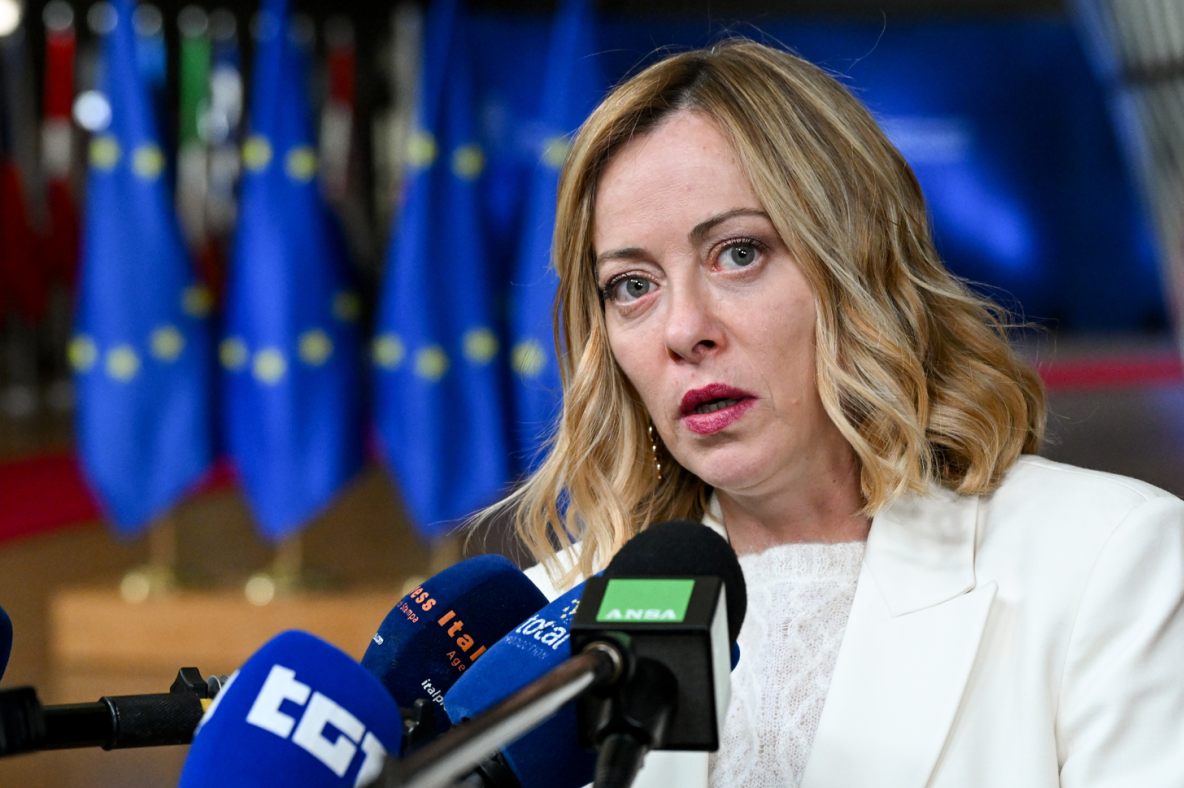
Italy, Bulgaria and Malta have aligned themselves with Belgium in urging the European Union to look for alternatives to a proposed €210 billion loan for Ukraine backed by frozen Russian state assets, a development that could derail the EU’s ambition to finalise the so-called “reparations loan” at next week’s pivotal summit. In a joint statement, the four governments said they back the European Commission’s plan to immobilise Russia’s sovereign funds held within the EU on an indefinite basis, but warned that such a step should not “pre-empt” possible future uses of the money to assist Kyiv’s defence effort.
The Commission has advocated making the freeze permanent in order to avoid continued dependence on Hungary’s Moscow-friendly government, which is currently required to agree every six months to extend the sanctions regime. At the same time, the four countries called on “the Commission and the Council to continue examining and debating alternative solutions consistent with EU and international law, offering predictable conditions and substantially lower risks, to meet Ukraine’s financing needs, whether through an EU loan mechanism or interim bridge arrangements, so as to guarantee uninterrupted support before any option under consideration becomes operational.”
Belgian Prime Minister Bart De Wever has for years argued against the reparations loan, branding it “fundamentally flawed” and warning of significant legal and financial dangers. On Friday, EU diplomats formally approved the indefinite immobilisation of the assets by invoking an emergency clause in the EU treaties. Reliance on “Article 122” is seen as essential to prevent Russian funds from being returned if sanctions were lifted, a scenario that could leave Belgium exposed to repayment claims amounting to hundreds of billions of euros. The Brussels-based clearing house Euroclear holds the bulk of the roughly €210 billion in assets earmarked for the loan.
Both Hungary and Belgium cautioned this week that the Commission’s use of Article 122 could violate EU law. Alongside Euroclear, they have repeatedly questioned the legality of the loan plan and warned that it could threaten eurozone financial stability — concerns echoed by the European Central Bank. Activating Article 122 enables a qualified majority — at least 15 member states representing 65 per cent of the EU population — to impose a permanent freeze on Russia’s assets, replacing the current requirement for unanimous renewal by all 27 states every six months.
The change strips Hungarian Prime Minister Viktor Orbán of a key leverage tool, which he has often used by threatening to block sanction renewals, even though he has ultimately relented each time. In their declaration, Italy, Bulgaria, Malta and Belgium stressed that invoking Article 122 carries “legal, financial, procedural and institutional implications that could extend far beyond this individual case,” and insisted that Friday’s move should not “set a precedent” for EU foreign and security policy, areas normally governed by unanimity.
EU envoys are scheduled to meet again on Sunday to discuss the loan ahead of next week’s Council meeting, where they will attempt to resolve Belgium’s extensive proposed amendments to the Commission’s draft legislation. These include demands for “independent” and “autonomous” guarantees from member states and a clause ensuring that Euroclear itself “shall bear no liability” in relation to the reparations loan, according to documents.