EU signs off on a diluted sanctions package after Athens wins carve-outs for its fleet
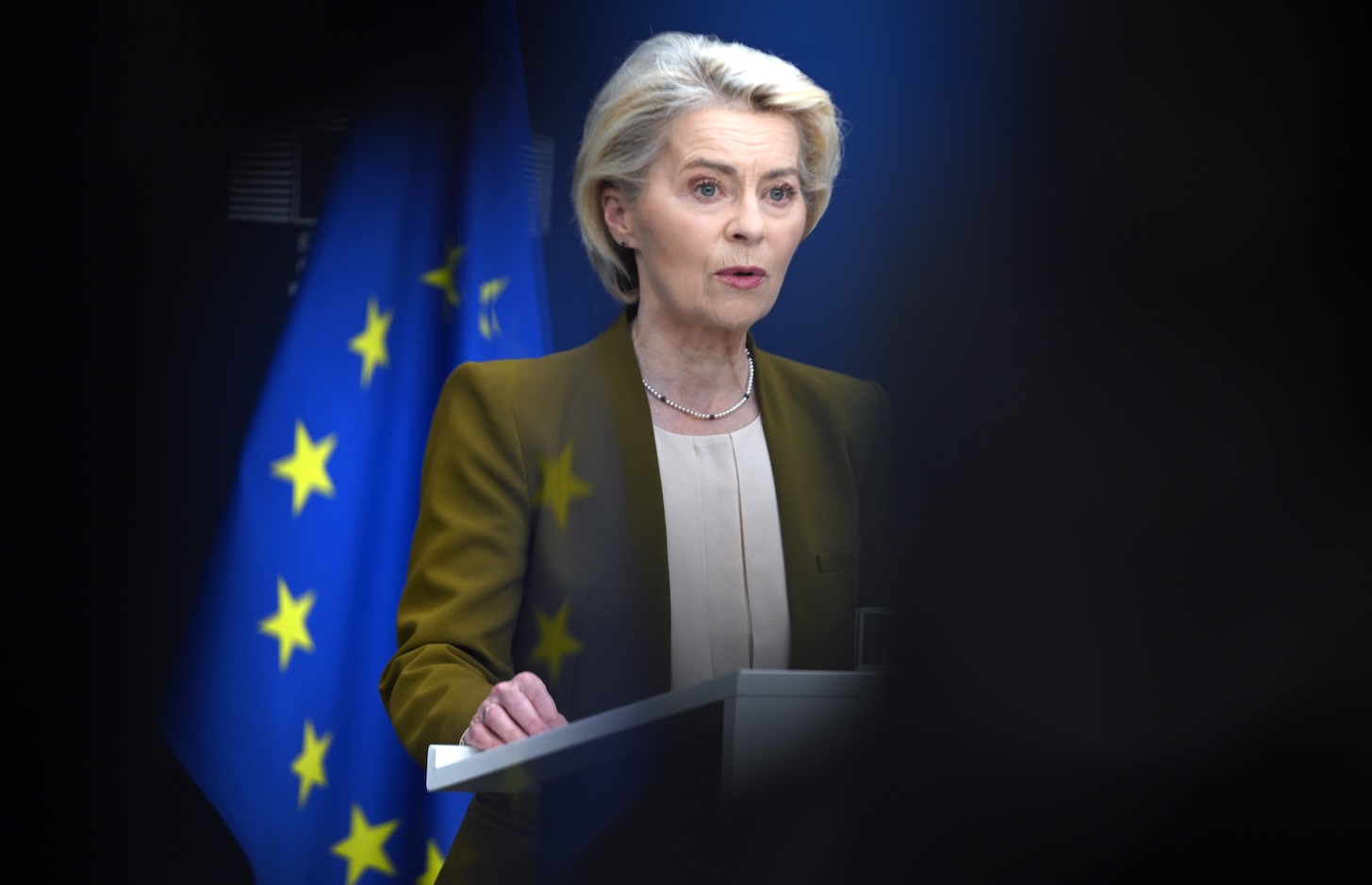
EU ambassadors approved the bloc's 21st sanctions package against Russia on Thursday morning, breaking a stalemate that had persisted since the Commission tabled its proposal on 9 June. The final text came out noticeably softer than the original design: Paris, Rome, Berlin and Lisbon all pressed for exemptions shielding their own economic interests.
Greece held out longest, demanding guarantees for its shipping sector. Athens insisted that Greek carriers — among them LNG operator Dynagas — keep the right to deliver Russian liquefied gas to buyers outside the EU.
Under a compromise brokered by Ireland, governments settled on a renewable one-year carve-out for shipping Russian LNG to third countries, an annual review of that arrangement, and a 12-month freeze on any change to the G7 oil price cap — as several diplomats describe the deal. Formally, all 27 member states still have to sign off.
The rush was driven by the existing freeze on the cap expiring that same Thursday. A week earlier, capitals had extended the deadline to buy time, then leaned on Greece: a longer freeze in exchange for the right to carry LNG. The Commission had initially floated a six-month version. The mechanism itself bars EU firms from servicing tankers moving Russian crude above a set threshold. Without a decision, the cap would have climbed automatically from the current $44 to $58 a barrel, translating into extra revenue for the Kremlin.
Ursula von der Leyen wrote on social media that sanctions continue to erode the economic foundations of Russia's war at precisely the moment Ukraine is building military momentum, and that the year-long freeze will keep the Russian war machine from profiting off market swings.