Rutte calls for no “buy-EU caveats” in Ukraine loan
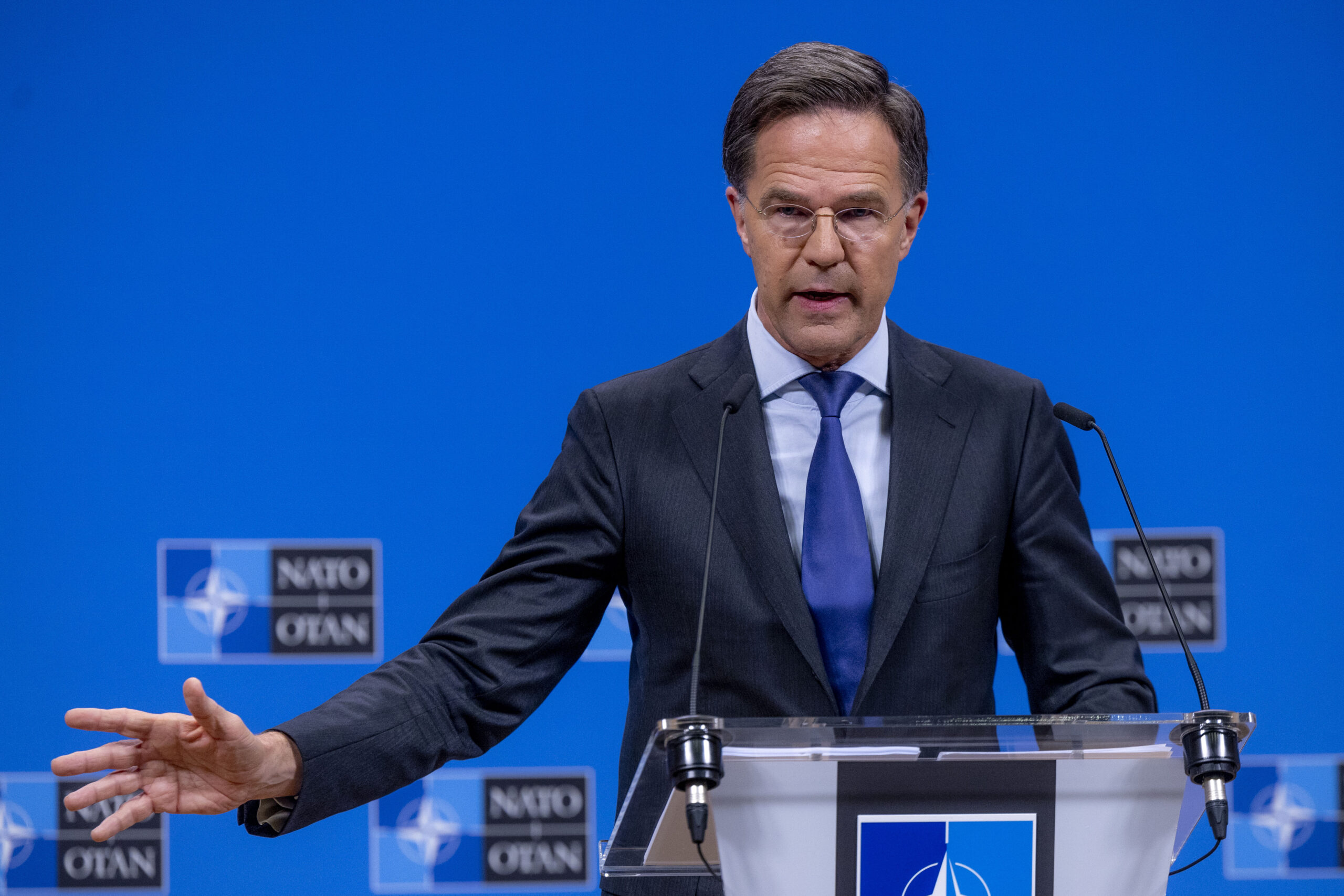
The ongoing debate over whether EU funds should only go toward purchasing European defence products took centre stage during the NATO chief's visit to the European Parliament
During a visit to the European Parliament on Monday, NATO Secretary General Mark Rutte urged MEPs to ensure Ukraine can spend parts of the €90 billion EU loan to purchase US weapons.
“Ensure flexibility in how these funds can be spent and not to be overly restricted by buy-EU caveats,” Rutte said during a joint hearing with the defence and foreign affairs parliamentary committees in Brussels.
Earlier this month, the European Commission presented a €90 billion loan package to Ukraine, with two-thirds dedicated to providing military assistance to Kyiv.
The eligibility criteria for arms purchased via the loan, if the proposal is adopted as-is, are based on the EU’s €150 billion SAFE loans instrument and the €1.5 billion EDIP programme.
In practice, that means the cost of components from the EU, Norway and Ukraine should make up at least 65% of the total cost of a defence product purchased with the loan. As with EDIP, European industries involved should also have the ability to make changes throughout the manufacturing process of a product, the so-called hard-negotiated control over the design authority.
“Europe is now building its defence industry,” Rutte said. “But it cannot, at the moment, provide nearly enough of what Ukraine needs to defend itself.”
The NATO Secretary General pointed to US-made air defence systems to ward off Russian missile incursions as an example.
Since the summer, NATO allies have been buying US weapons for Kyiv in $500 million packages via the NATO-coordinated PURL initiative.
The debate over EU preferences – whether EU funds should benefit Europe’s arms makers or also go to third countries, primarily the US – is an evergreen topic in Brussels defence discussions.
After hours of late-night discussions over the nature of the loan, EU leaders in December agreed the money should be used for the “strengthening of the European and Ukrainian defence industries.”